Marketing
Branding
How graphics help news and blog content attract attention and drive engagement
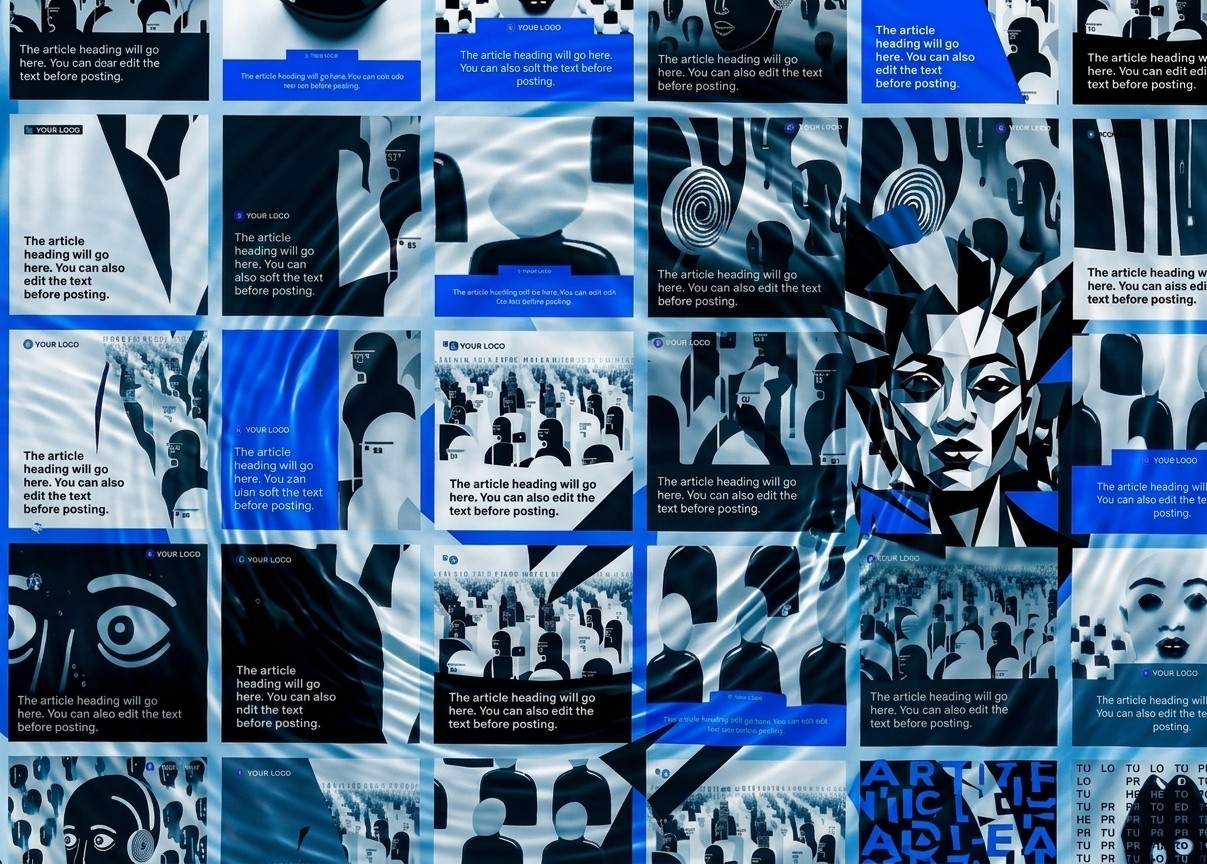
Visual design makes news and blog articles more engaging on social media. Graphics attract attention, improve clarity, strengthen branding, and help drive more clicks and shares.

Design helps articles stand out on social media. Posts with graphics catch attention faster, communicate the story at a glance, and typically generate more clicks, shares, and engagement than plain links.
Every day, social media users scroll past hundreds of posts. In that fast-moving stream, even the best-written article can be overlooked if it looks like just another link. For newsrooms and bloggers, strong visual design is no longer a “nice-to-have” — it’s a key factor in whether content gets noticed, clicked, and shared.
First impressions happen in seconds
On social media, people don’t read first — they look first. A clear, well-designed graphic stops the scroll and signals that the content is worth attention. When an article is paired with a visual that highlights its headline, topic, or emotion, it becomes easier for audiences to quickly understand what the story is about.
Without a visual, link posts often blend into the feed. With a graphic, the same article becomes a distinct, recognizable piece of content.
Design increases visibility in crowded feeds
Platforms prioritize content that keeps users engaged. Visually strong posts tend to generate more reactions, comments, and shares, which helps them travel further organically.
For news and blogs, this matters because:
Stories compete with entertainment, ads, and personal content.
Attention spans are short.
Users make split-second decisions about what to open.
A compelling visual gives your article a better chance of being noticed before the audience even reads the headline.
Visual context improves understanding
A well-designed graphic doesn’t just decorate a post — it provides context. It can:
Emphasize the main message of the article
Highlight urgency for breaking news
Set the tone (serious, analytical, human-interest, etc.)
Make complex topics easier to grasp at a glance
This is especially important for news organizations covering fast-moving stories. A visual with a strong headline and relevant image can immediately communicate why the story matters.
Strong branding builds recognition over time
Consistent design helps audiences recognize your content instantly. When your posts follow a visual style — colors, typography, layout — people begin to associate that look with your publication or blog.
Over time, this creates familiarity and trust:
Readers recognize your content in the feed.
Your stories feel more credible and professional.
Your brand becomes easier to remember.
This is particularly valuable for smaller media outlets and independent bloggers trying to grow their audience.
Graphics encourage more clicks and shares
People are more likely to interact with posts that feel complete and intentional. A designed visual can:
Make the headline clearer and more readable
Highlight the most interesting angle of the story
Create curiosity that leads to clicks
When a post looks engaging, it also becomes more shareable. Users are more comfortable reposting something that looks polished and informative.
Social platforms favor visual formats
Many platforms naturally reward image-based posts. They take up more space in the feed, catch the eye faster, and often perform better than plain link previews.
For news and blogs, this means:
Turning an article into a visual post increases reach potential
Adding a design layer can help bypass the limitations of standard link previews
Strong visuals help maintain performance even as algorithms change
Design saves time for the audience
A good visual acts like a summary. In one glance, readers can understand:
What the article is about
Why it matters
Whether it’s relevant to them
This quick clarity makes it easier for people to decide to click, read, or share.
From article to visual story
Design transforms a written piece into something that feels native to social media. Instead of just posting a link, you’re presenting a visual story that invites interaction.
For newsrooms and bloggers publishing frequently, this approach:
Increases the value of each article
Extends the reach of existing content
Helps turn regular posts into consistent audience touchpoints
Final thought
Great writing is still the foundation of strong journalism and blogging. But on social media, design is what gets that writing seen. A clear, compelling visual gives your articles the attention they deserve, helps audiences understand them faster, and makes people more likely to engage.
In a crowded digital space, thoughtful design is not just about aesthetics — it’s about visibility, clarity, and impact.